The First Explanation Is Not Always the Whole Story
The first explanation can make an everyday setback seem settled. Learn to check its assumptions, compare plausible alternatives and choose a fair next move.
The common mistake with a plausible first explanation is treating it as a verdict: a colleague has not replied, so you decide they are ignoring you. That assumption can cost you a useful conversation, a fair judgement or a chance to solve the actual problem. The first explanation may fit what you can see, but it is only one account of the evidence.
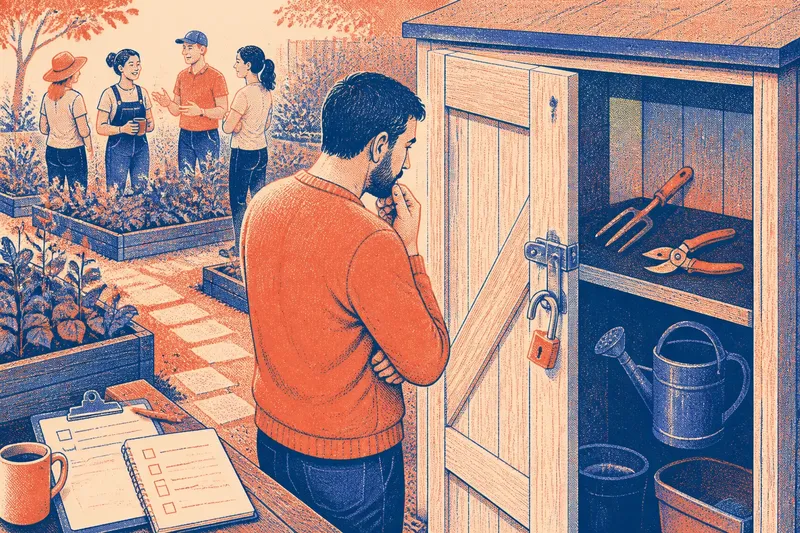
Checking assumptions is not the same as inventing elaborate possibilities or imagining how events might unfold under different conditions. The purpose here is narrower: separate an observation from the claim about its cause, then find out what evidence could help you choose a fair response. Imagine that you manage a small community garden and find its shared tool cupboard unlocked after a working session. The situation is simple enough to examine, but ambiguous enough to show how quickly a tidy explanation can take over.
Separate fact from story
At the end of a Saturday session, you notice the padlock on the cupboard door is hanging open. Inside are a hand fork, a pair of secateurs and a small watering can, all where they belong. You remember locking the cupboard before leaving the previous session, and conclude that someone at the garden must have used the tools and failed to secure the door.
That account feels reasonable, but it adds details to what you observed. You saw an open lock; you did not see anyone open the cupboard or leave it that way. The lock being open supports several explanations, not just the one that comes readily to mind.
Write the observation in plain language: “The cupboard was unlocked when I checked it after the session.” Keep remembered details separate from assumptions. “I believe I locked it last time” may matter, but it does not establish who last touched the lock or when it was opened.
This is like finding a damp patch on a kitchen worktop and deciding at once that a pipe is leaking. A spill, condensation or water carried on a pot could leave a similar mark. The mark is real; its cause still needs checking.
Compare plausible causes
Ask what your first account depends on. It may rely on your memory being correct, the lock working as expected, and nobody having a reason to open the cupboard outside the session. Each assumption may be sound, but none is the same as an observed fact.
Now consider a few ordinary explanations that fit what you know. Someone may have returned a tool after the last session without securing the door. The lock may have slipped free because it was not fully closed. A gardener may have opened the cupboard to put away the watering can, or you may have misremembered locking it on your previous visit.
These are candidate explanations, not claims about what happened. Choose a small, usable set as a practical starting point; there is no fixed number that makes the reasoning sound. Add an alternative only if it fits the observation or suggests a useful way to check. A remote possibility that adds unsupported detail does not deserve equal attention just because it cannot be ruled out.
Check the relevant evidence
Look for information that could distinguish the plausible causes. Ask the other gardeners whether anyone used the cupboard after the session, try the lock without forcing it, or inspect the door to see whether it closes properly. Each check addresses a different uncertainty.
Choose a check that is relevant and proportionate. A neutral question in the garden’s shared message group may clarify who used the tools. Accusing a particular volunteer would not establish what happened; it could make people defensive and obscure useful information. The aim is to learn something, not to repeat the suspicion in a louder form.
Say you ask, “Did anyone put tools away after we finished?” A gardener replies that they returned the watering can later and thought the cupboard door had clicked shut. You then try the lock gently and find that its catch does not always engage when the door rests slightly ajar. The reply and the check make an unreliable closure a plausible cause, but neither proves precisely what happened on Saturday.
That evidence changes the useful question. Instead of asking who was careless, ask whether the door needs to be held closed before the lock catches. If the lock or door seems unreliable, do not treat the cupboard as secure; arrange appropriate maintenance rather than relying on guesswork.
Choose a fair response
When the evidence remains incomplete, take a useful action that can be revised. You might remind the group to check that the lock has caught and ask the garden coordinator to inspect the door. That addresses the known concern without presenting an unconfirmed account as fact.
Check what follows from each possible observation before acting:
- Observation: the lock catches when the door is firmly closed. If it does, ask users to check the catch; if it does not, arrange an inspection and do not assume the cupboard is secure.
- Observation: the door sits slightly ajar unless someone holds it. If it does, ask the coordinator to address the fit; if it does not, check whether the lock itself is the problem.
- Observation: a gardener recalls using the cupboard after the session. If they do, ask what they remember about closing it; if nobody recalls using it, keep the cause open and check the mechanism.
- Observation: the tools are present and undamaged. If they are, focus on preventing another unsecured cupboard; if anything is missing or damaged, report the specific item or damage without guessing who caused it.
- Observation: the lock engages consistently during a gentle check. If it does, a reminder may be enough for now; if it fails to engage, arrange repair and avoid relying on it.
- Observation: no one can identify who last opened the cupboard. If so, leave that question unresolved and act on the known security concern; if someone can identify a time or action, check that account against the lock’s condition.
Consider the cost of being wrong in either direction. Assuming a volunteer forgot the lock could damage trust or blame the wrong person. Assuming nothing needs attention could leave the cupboard accessible. A neutral reminder and a check of the catch respond to the practical concern while keeping an uncertain accusation out of it.
Questions about assumptions?
Does considering alternatives mean distrusting my judgement?
No. Your first explanation can be a sensible starting point, especially when it draws on relevant experience. The useful question is whether the evidence supports it over other plausible causes, not whether you should ignore your judgement.
How many explanations should I consider?
Start with a few ordinary accounts that fit the observation; this is a practical suggestion, not a threshold. Add another only if it explains something the others do not or points to a useful check.
What if I cannot find out what happened?
State the uncertainty honestly and respond to the known problem. In the garden, you can check the lock and remind the group to secure it even if nobody knows who last opened the cupboard.
When should I act on the first explanation?
Act promptly if delay could create a serious risk, but keep your immediate action distinct from your explanation of the cause. Take sensible precautions while gathering information, then revise your account if new evidence changes it.
Keep conclusions proportionate
A plausible explanation can feel complete because it joins visible details into a tidy story. But a smooth story is not evidence for every detail it contains. When you move from “this happened” to “this person did it for this reason”, pause where the observation ends and interpretation begins.
For a quick check, ask yourself:
- What did I directly observe, and what am I inferring? If the account includes an inference, keep it separate from the factual description; if it does not, move on to the next check.
- Which assumptions must be true for my first explanation to work? If an assumption is unverified, look for a relevant check; if you can verify it, use the result to assess the explanation.
- What ordinary alternative could explain the same details? If one fits, compare what evidence would distinguish it; if none fits, avoid inventing remote possibilities just to keep the question open.
- What information would help distinguish the alternatives? If a proportionate check is available, make it; if not, state what remains uncertain.
- What response addresses the immediate concern without treating an uncertain cause as settled? If a reversible action will help, take it; if the risk calls for urgent action, address the risk while avoiding unsupported blame.
These questions can help with a missed message, a changed plan, a household problem or a confusing comment. Use your first explanation as a prompt to check what you know, not as the final account. For the garden cupboard, the practical question is not only who left it open, but what allowed it to remain unsecured. That shift gives you a fairer account and a useful next move, even if the exact cause stays unknown.