How Thought Experiments Make Abstract Claims Easier to Examine
Use a thought experiment to expose hidden assumptions, test one detail at a time and decide what evidence an abstract claim still needs.
The common mistake with a broad principle is to debate its wording before asking what it would mean in a specific case. A thought experiment makes the claim easier to examine by imagining a situation that could test it. The value lies not in proving the principle, but in seeing which assumptions support it.
For example, “promises should always be kept” sounds clear until keeping a promise could cause serious harm. That imagined conflict can reveal what “always” means to the speaker, and whether the claim needs limits. It cannot tell you every fact about a real dispute.
What thought experiments expose
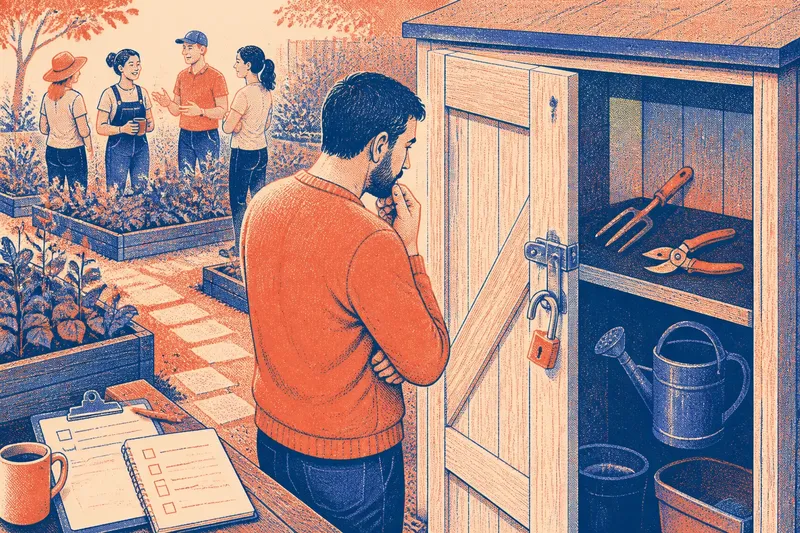
A carefully designed imagined case can expose a hidden assumption, clarify a vague term or show that two values pull in different directions. It does so by making one question concrete while leaving other details outside the frame. Like looking through a small window, you gain a sharper view of one part of the scene, not the whole landscape.
Suppose someone argues that rules should treat everyone identically. The phrase could mean applying the same procedure to all, or refusing adjustments even when people face different circumstances. An imagined case can help distinguish those meanings before anyone argues for or against the claim.
Thought experiments are useful in philosophy, teaching and everyday discussion because they let people inspect a principle without waiting for a real case to arise. But an imagined situation is not historical evidence, a forecast or a substitute for knowing how a policy works in practice.
Build a focused case
Start with a claim that is specific enough to test, such as “a shared resource should be allocated by first come, first served”. Then choose a simple situation in which the claim guides a decision. State the relevant details plainly and avoid adding dramatic features that push the reader towards a preferred answer.
Change only one detail when you want to see what affects your judgement. If several facts change together, you may not know which one mattered. Keep the original claim, the imagined case and your revised interpretation together so you can see how the reasoning developed.
- Check the claim: If it uses a broad word such as “always” or “fair”, then define what that word means; otherwise, narrow the claim before testing it.
- Check the decision: If the case does not require a clear choice, then add the choice at issue; otherwise, keep the scene as it is.
- Check the relevant detail: If a detail could change the answer, then state it explicitly; otherwise, remove it as background noise.
- Check what stays fixed: If several features vary at once, then hold all but one constant; otherwise, compare the intended single change.
- Check the framing: If one option sounds absurd or cruel only because of loaded wording, then rewrite the case neutrally; otherwise, retain the description.
- Check the limits: If the question depends on real behaviour or outcomes, then seek suitable evidence; otherwise, use the imagined case to clarify the principle.
How should you test a claim?
How is a thought experiment different from an example?
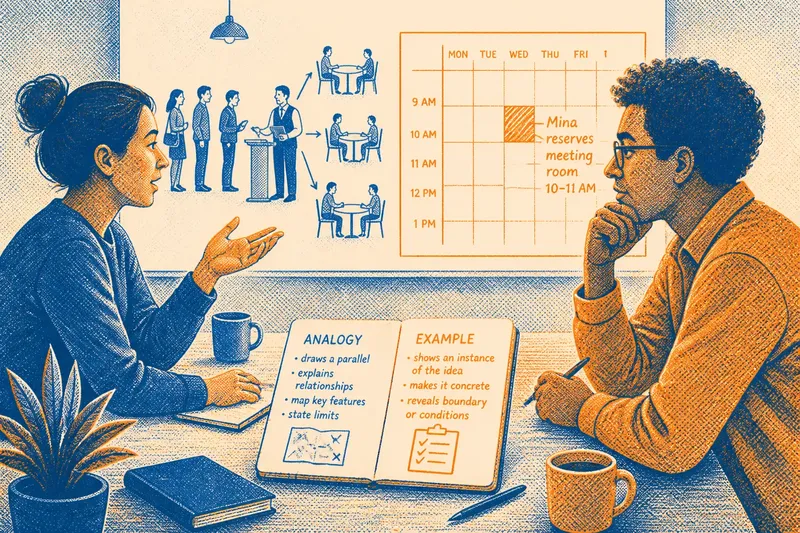
An example illustrates a claim by showing a case that fits it. A thought experiment is arranged to examine the claim, often by asking whether a change in one detail changes the judgement.
Can an imagined case settle a real dispute?
It can clarify what each side values and reveal assumptions that have not been stated. It cannot establish the facts of an actual dispute, so check relevant evidence before drawing conclusions about real people or events.
What makes an imagined case fair?
Give the people and circumstances enough detail to make the decision understandable, without using irrelevant drama to steer the answer. State which feature is being tested and what remains unchanged.
When should you stop changing the scenario?
Stop when variations no longer clarify which principle matters, or when the question turns on facts the imagined case cannot provide. Record what remains uncertain and identify what evidence could address it.
A worked fairness case
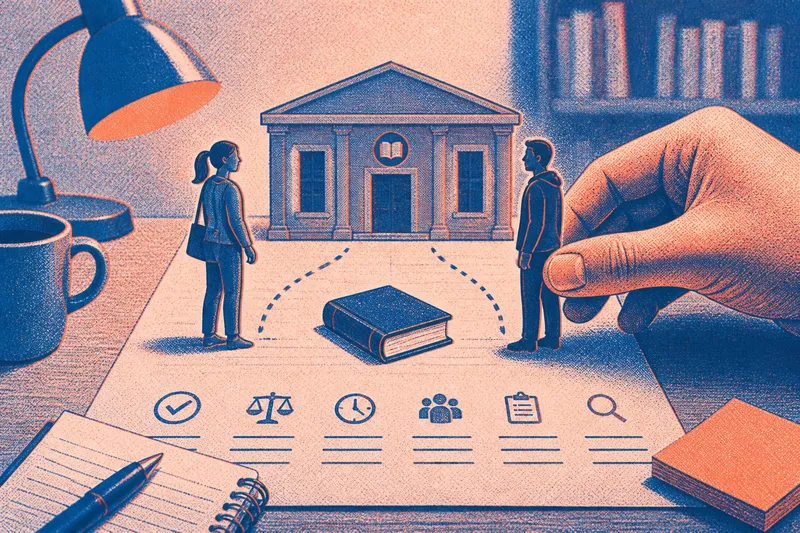
Say you are considering the claim, “a community library should apply the same loan period to every visitor”. For this invented situation, assume two visitors want the same book: one expects to return it on time, while the other has a temporary disruption that makes the standard deadline difficult. The starting question is whether equal treatment means an identical deadline or a justified adjustment.
First, keep the book and the ordinary loan rule fixed, and change only whether the disruption affects the second visitor’s ability to return the book. If it does, you might judge an adjustment fair; if it does not, you might favour the same deadline for both. Next, consider the practical trade-off: an exception may respond to need, while a clearly stated rule may be easier to apply consistently.
The resulting answer is not a verdict about library policy. It is a more precise claim to examine: apply the standard loan period consistently, while considering a clearly defined adjustment when a relevant barrier prevents a visitor from meeting it. The invented case has clarified the principle, but actual policy decisions would still require information about the library’s rules and circumstances.
Where imagined cases mislead
A neat scenario can leave out unequal power, competing needs, practical constraints or information that would matter in real life. Those omissions may help isolate one question, but they also limit what the case can establish. Make the boundary explicit rather than treating the imagined scene as a miniature record of reality.
Watch for a scenario that makes one answer emotionally easy by making the alternative seem ridiculous. Try neutral wording, or ask someone who disagrees which detail they consider decisive. If the disagreement comes from different assumptions, name them before adding more twists to the scene.
When a question concerns what actually happens—such as whether a policy works, what a medicine does or how people behave—use appropriate real-world evidence. For consequential health, legal or safety decisions, seek advice from a qualified professional. A thought experiment can help you frame the question, but it cannot supply missing observations.
Carry the question forward
Keep three things together: the original claim, the imagined situation and the interpretation you reached. Add a note about what the exercise did not establish. This record makes it easier to revisit your reasoning without mistaking a vivid scene for a complete answer.
A thought experiment is most useful when it turns a vague disagreement into a question you can inspect. Use one to expose an assumption, vary a single relevant detail and sharpen the claim; then decide what further evidence, if any, the real-world question requires.